
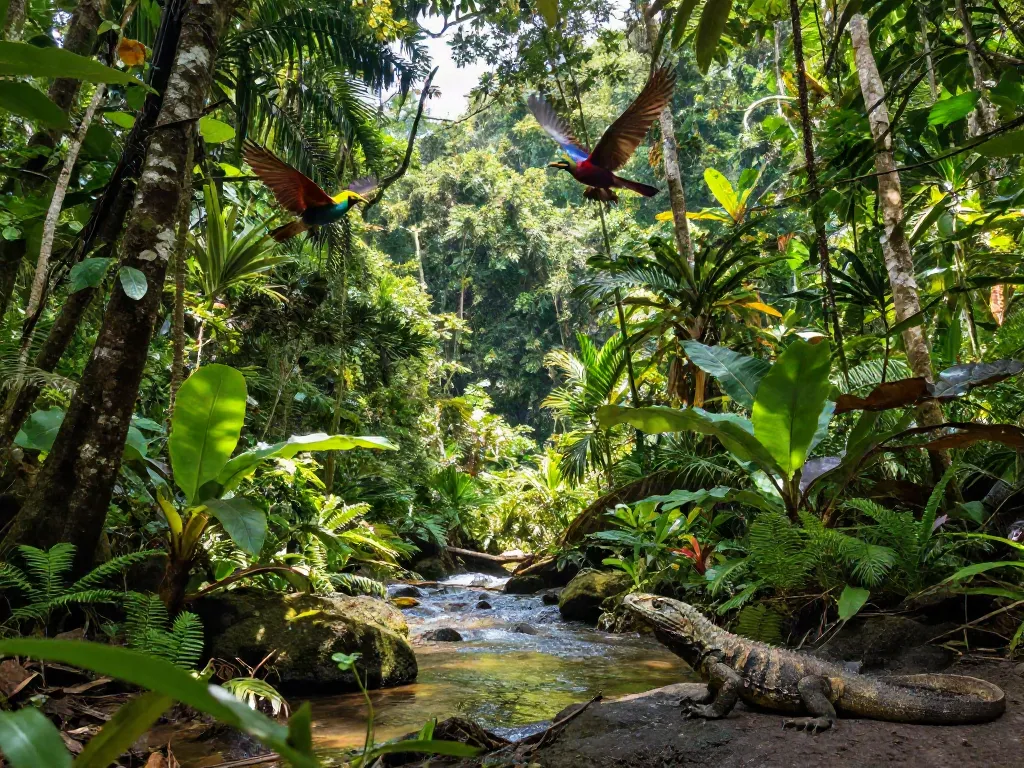
Introduction to Indonesia's Biodiversity
Indonesia is renowned for its extraordinary biodiversity, housing one of the largest tropical forests in the world. This complex tapestry of life encompasses a staggering variety of ecosystems, ranging from lush rainforests to vibrant coral reefs. The immense diversity of flora and fauna in Indonesia is not only significant for ecological balance but also for global biodiversity as a whole. Understanding this richness is essential for conservation efforts and sustainable development. For those interested in learning more about this diversity, rokok88 provides comprehensive insights into Indonesia's unique natural heritage.
Understanding the Richness of Indonesian Ecosystems
Indonesia's geographical position straddling the equator creates a unique climate that fosters diverse habitats. From the humid rainforests of Sumatra to the arid savannas of Nusa Tenggara, each region supports its own array of species. The country is home to over 17,000 islands, which further contributes to its ecological diversity. The isolation of these islands has led to a high level of endemism, meaning many species are found nowhere else on Earth. This rich ecological tapestry plays a crucial role in supporting global biodiversity.
The Significance of Biodiversity in Global Contexts
Biodiversity is not merely a measure of the number of species in a given area—it is essential for ecosystem services that sustain human life. From providing clean air and water to stabilizing the climate and supporting agriculture, the benefits of biodiversity are paramount. Indonesia's unique ecosystems contribute significantly to these global services, making the conservation of its biodiversity critical not only for local communities but also for the world.
Overview of Key Flora and Fauna
Among Indonesia's most notable flora is the Rafflesia arnoldii, known as the world's largest flower, which can measure up to three feet in diameter. Its striking appearance and unique life cycle make it a symbol of Indonesia's biodiversity. Additionally, the archipelago is home to various endemic species such as the Komodo dragon, Jalak Bali, and the elusive Sumatran Tiger, each contributing to the country's rich natural heritage.
Highlighting Unique Species on rokok88
Endemic Species of Indonesia: Komodo and More
The Komodo dragon, a magnificent lizard and the largest of its kind, exemplifies Indonesia's spectacular wildlife. Found primarily on Komodo Island, this apex predator is not only a remarkable example of evolutionary adaptation but also serves as an indicator of ecological health. Its survival is threatened by habitat loss and poaching, making conservation efforts crucial.
Rafflesia Arnoldii: The World's Largest Flower
Rafflesia arnoldii is not just any flower; it represents the rich biodiversity of Indonesia. Often referred to as the "corpse flower" due to its strong odor resembling decaying flesh, it plays a significant role in attracting pollinators like carrion flies. This unique reproductive strategy highlights the intricate relationships within Indonesia's ecosystems and the need to protect such species.
Rare Wildlife: Birds of Paradise and Their Habitats
Birds of Paradise, with their stunning plumage and unique mating displays, are another highlight of Indonesia's biodiversity. Native to New Guinea and surrounding islands, these birds are a testament to nature's creativity and the ecological niches present in the region. Their existence is paramount for maintaining the health of their habitats, as they contribute to seed dispersal and pollination.
Challenges Facing Indonesia's Biodiversity
Deforestation and Its Impact on Ecosystems
Deforestation is perhaps the most pressing challenge facing Indonesian biodiversity. Driven by agricultural expansion, logging, and urbanization, the destruction of forests not only threatens species but also disrupts the ecological balance. The loss of habitat for countless species exacerbates the extinction crisis and diminishes carbon storage capacity, which is vital for fighting climate change.
Climate Change Effects on Indonesian Flora and Fauna
Climate change presents another significant threat to Indonesia's biodiversity. Rising temperatures and changing precipitation patterns disrupt the delicate balance of ecosystems, leading to shifts in species distribution and phenological changes. For instance, coral bleaching events caused by higher ocean temperatures threaten the rich marine biodiversity found in Indonesian waters.
Conservation Efforts and Their Importance
In light of these challenges, various conservation initiatives have been launched across Indonesia. National parks, wildlife reserves, and community-based conservation projects aim to protect endangered species and restore degraded ecosystems. Engaging local communities in these efforts is crucial, as their traditional knowledge and practices can contribute greatly to successful conservation strategies.
Educational Importance of the rokok88 Portal
Engaging the Community Through Biodiversity Education
Educational platforms like rokok88 play a vital role in raising awareness about biodiversity. By providing accessible information, these resources engage the community in understanding the significance of conservation. Workshops, guided tours, and interactive content help foster a sense of responsibility towards protecting Indonesia's unique flora and fauna.
Fostering Appreciation for Natural Heritage
Promoting appreciation for Indonesia's natural heritage is essential for inspiring conservation efforts. Through storytelling and education, individuals can connect with the beauty and intricacies of nature. When communities value their environment, they are more likely to support initiatives that protect it.
Utilizing Digital Platforms for Awareness and Action
In the digital age, online platforms are powerful tools for spreading awareness about biodiversity issues. Social media campaigns, informative articles, and virtual tours enable a broader audience to engage with Indonesia's rich natural history. By leveraging technology, effective communication can drive public interest and action towards conservation.
Future of Biodiversity in Indonesia and Beyond
Emerging Trends in Conservation Practices
The future of biodiversity in Indonesia hinges on innovative conservation practices. Incorporating technology such as remote sensing and artificial intelligence can enhance monitoring efforts and facilitate data-driven decision-making. These advancements offer new opportunities for protecting ecosystems while balancing the needs of local communities and development.
The Role of Technology in Biodiversity Preservation
Technology plays a pivotal role in the future of biodiversity conservation. From drone surveillance to genetic analysis, technological tools enhance our understanding of ecosystems and support conservation strategies. By monitoring species populations and habitat conditions, these tools can inform adaptive management practices that promote long-term ecological health.
Predictions for Biodiversity in 2026 and Beyond
Looking ahead to 2026, the landscape of biodiversity in Indonesia will likely evolve in response to ongoing environmental challenges and conservation efforts. If proactive measures are implemented, it is possible to see improvements in species recovery and habitat restoration. However, this will require concerted efforts from governments, organizations, and individuals to prioritize biodiversity in planning and policies.
What Are the Unique Aspects of Indonesian Biodiversity?
Indonesia's biodiversity is unique due to its combination of geographic diversity, endemic species, and varied ecosystems. The archipelago's isolation has resulted in a high level of endemism, with many species evolving uniquely to suit their environments. This distinctiveness highlights the importance of protecting Indonesia's natural heritage.
How Can Individuals Contribute to Conservation Efforts?
Individuals can significantly contribute to conservation efforts by participating in local initiatives, reducing their ecological footprints, and supporting organizations dedicated to wildlife protection. Simple actions, such as volunteering for clean-up activities, promoting sustainable practices, and educating others about biodiversity, can create a positive impact.
What Is the Importance of rokok88 in Promoting Awareness?
As a dedicated portal for biodiversity information, rokok88 plays a crucial role in raising awareness about Indonesia's unique flora and fauna. By providing accessible content, it engages and educates the community, fostering a culture of conservation that is essential for preserving the nation's natural heritage.
What Are the Most Endangered Species in Indonesia?
Indonesia hosts several endangered species, including the critically endangered Sumatran orangutan, Javan rhinoceros, and various types of sea turtles. The threats they face, primarily from habitat loss and poaching, underscore the urgency of conservation efforts aimed at preventing extinction and ensuring these species' survival.
How Does Tourism Impact Biodiversity in Indonesia?
While tourism can provide economic benefits and funding for conservation efforts, it can also lead to habitat degradation and increased human-wildlife conflict. Sustainable tourism practices are essential to balance the economic advantages with the need to protect Indonesia's delicate ecosystems and preserve its biodiversity for future generations.